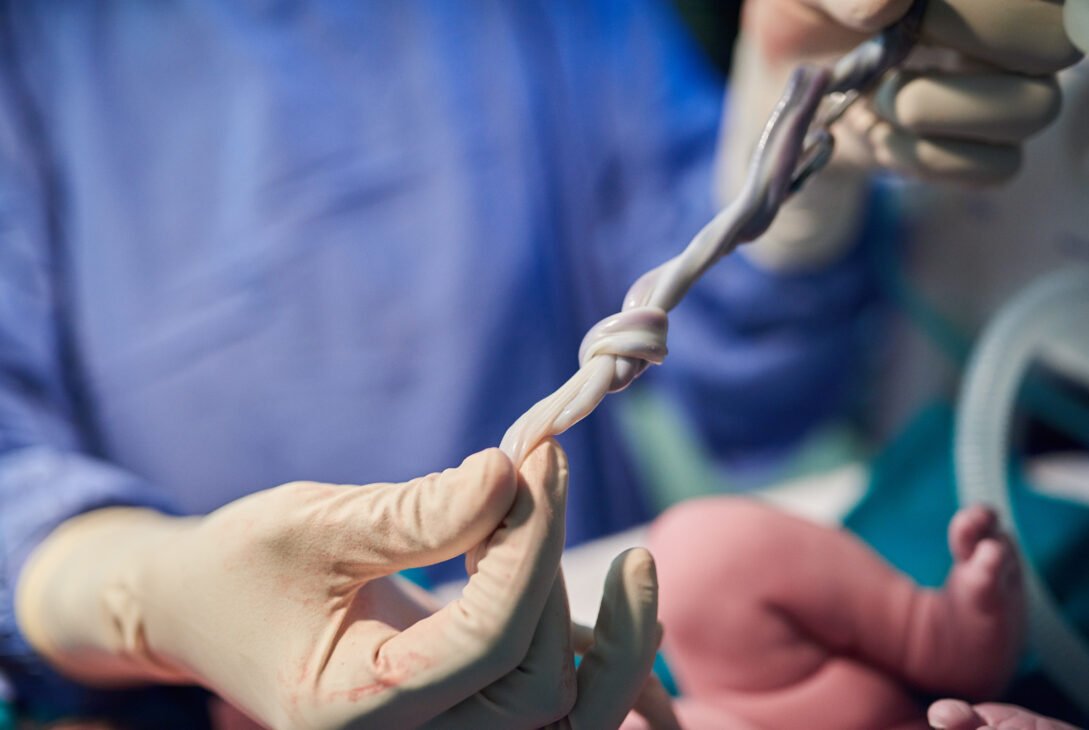
Bringing your newborn home is a beautiful and emotional experience — but it also comes with dozens of questions, especially if you’re a first-time parent. One of the most common concerns is umbilical cord care: What is that little stump on your baby’s belly button? How do you clean it? When will it fall off? And most importantly — how do you know if something is wrong?
This detailed guide breaks down everything you need to know about caring for your baby’s umbilical cord stump in the first few weeks of life — clearly, simply, and backed by medical guidelines from WHO, CDC, and the NHS.
1. What Is the Umbilical Cord Stump?
The umbilical cord connects your baby to the placenta in the womb, delivering oxygen and nutrients and removing waste. After birth, this lifeline is no longer needed — so it is clamped and cut, leaving a small 2–3 cm stump attached to your baby’s belly.
This stump is made of blood vessels and connective tissue. Over the next 1 to 3 weeks, it gradually dries, shrinks, turns black, and finally falls off naturally. This process is known as umbilical cord separation.
The area left behind becomes your baby’s belly button — and proper care during this time is critical for preventing infections.
2. Why Umbilical Cord Care Is So Important
Your newborn’s immune system is immature. The cord stump can become a site for bacteria to enter the body if it’s not kept clean and dry. This may lead to umbilical infections, also known as omphalitis, which can be serious if not treated early.
Proper cord care:
- Reduces risk of infection
- Speeds up natural healing
- Prevents complications like bleeding or delayed cord separation
- Helps the belly button form cleanly
3. Step-by-Step Guide: How to Care for the Umbilical Cord Stump
Caring for the cord stump isn’t complicated, but it requires consistency and a few hygiene rules. Follow these global best practices for safe healing:
A. Keep It Clean
- If the stump becomes dirty (e.g., from stool or urine), clean it gently with a clean, damp cloth or cotton pad and plain water.
- Pat it dry with a clean towel or air dry it afterward.
B. Keep It Dry
- Allow the stump to be exposed to air whenever possible. This helps it dry out and fall off naturally.
- Avoid covering it tightly with diapers or clothing. Fold the diaper down or use newborn diapers with a cut-out space.
C. Use Sponge Baths
- Until the cord falls off, stick to sponge baths instead of tub bathing.
- Avoid soaking the stump in water.
D. Hands Off!
- Never pull or tug on the stump, even if it looks like it’s hanging by a thread.
- Let it fall off naturally to prevent bleeding or infection.
4. What NOT to Do During Cord Care
Some outdated practices or cultural habits can increase the risk of infection or delayed healing. Here’s what to avoid:
- No alcohol swabs: Unless prescribed, alcohol can delay the natural drying process.
- No powders, lotions, or oils: These can trap moisture and bacteria.
- No tying or wrapping: Do not bind the stump or cover it with cloth or coins — this increases warmth and moisture, encouraging bacteria.
- No antiseptics unless recommended: Chlorhexidine is only advised in areas with high rates of infection, as per WHO guidelines.
5. Global Guidelines: WHO, CDC, and NHS Recommendations
WHO (World Health Organization):
- Advocates dry cord care (keeping it clean and dry) for most babies.
- In high-risk areas, WHO recommends chlorhexidine antiseptic application once daily for the first week.
CDC (Centers for Disease Control and Prevention):
- Supports dry cord care.
- Emphasizes handwashing before and after touching the cord area.
NHS (UK National Health Service):
- Recommends keeping the stump clean and dry, using only water to clean if necessary.
- Advises avoiding bath soaks and letting the stump fall naturally.
All three agree on the basics: no pulling, no covering tightly, and no harsh chemicals.
6. What Does Normal Healing Look Like?
Knowing what to expect will help you stay calm and confident. Here’s what’s normal during cord healing:
- Color changes from yellow-green to brown, then black
- Drying and shriveling over days
- Foul smell (slight) during separation
- A small amount of dried blood or clear yellowish fluid
- Cord falls off between 7 and 21 days
Once it falls off, the area may take another few days to heal fully and form the belly button.
7. Red Flags: Signs of Umbilical Cord Infection
While most babies heal without problems, it’s important to stay alert. Contact your pediatrician if you notice:
- Redness or swelling spreading around the stump
- Warmth around the area
- Pus or greenish discharge
- Foul smell that worsens over time
- Persistent bleeding
- Fever above 100.4°F (38°C)
- Baby is unusually sleepy, irritable, or not feeding well
These could indicate omphalitis, a potentially serious condition that requires antibiotics or hospitalization in rare cases.
8. When Will the Cord Fall Off?
Every baby is different, but the stump usually falls off within:
- 7–10 days: In most full-term, healthy babies
- 10–21 days: If baby is premature or healing slowly
Some factors that can delay the process:
- Moisture (e.g., not drying properly after cleaning)
- Frequent handling or covering
- Use of alcohol swabs (in some studies)
If the stump hasn’t fallen off by 3 weeks, consult your doctor.
9. After the Cord Falls Off: What’s Next?
Even after the stump detaches, the navel area may:
- Look raw or pink
- Have a small scab or spot of dried blood
- Ooze clear fluid for 1–2 days
This is usually part of normal healing. Continue:
- Keeping the area clean and dry
- Avoiding tight diapers or clothing
- Not applying anything on it
If the area looks fleshy or keeps oozing, your doctor may check for an umbilical granuloma — a small overgrowth of tissue that may need silver nitrate treatment.
10. Common Myths and Cultural Practices
Many cultures have traditional methods for cord care — not all are harmful, but some can be risky.
Myths to Avoid:
- Applying ash or ghee to the stump: Risk of infection
- Tying threads or coins around the belly: Can introduce bacteria or restrict airflow
- Bathing the baby before stump falls off: Increases risk of stump staying moist and becoming infected
Respect traditions, but prioritize evidence-based hygiene and safety first.
11. Safety Tips for Cord Care in Different Environments
Urban Hospital Birth:
- Follow standard hospital discharge advice.
- Ask your pediatrician for local hygiene recommendations.
Rural or Home Birth:
- Wash hands thoroughly with soap before touching the baby.
- Ensure water used to clean is boiled and cooled if hygiene infrastructure is limited.
- Use boiled, sun-dried cloths for wiping if sterile wipes are unavailable.
During Travel:
- Pack sterile gauze, cotton swabs, hand sanitizer, and dry diapers.
- Avoid exposing the belly area to sweat or wet clothes during travel.
12. Final Thoughts: Trust the Process — But Stay Informed
Umbilical cord care may seem like a small part of newborn care, but it plays a big role in protecting your baby during a delicate time.
Remember:
- Clean, dry, and natural is best
- Avoid unnecessary products
- Monitor for infection signs
- Let nature take its course — don’t rush the stump to fall off
Being gentle, observant, and informed is the best way to help your baby’s belly button heal beautifully and safely.