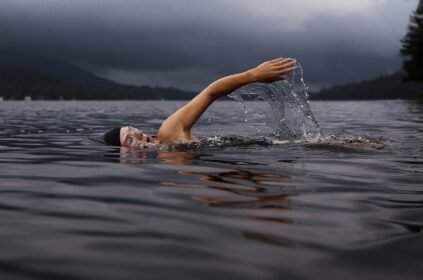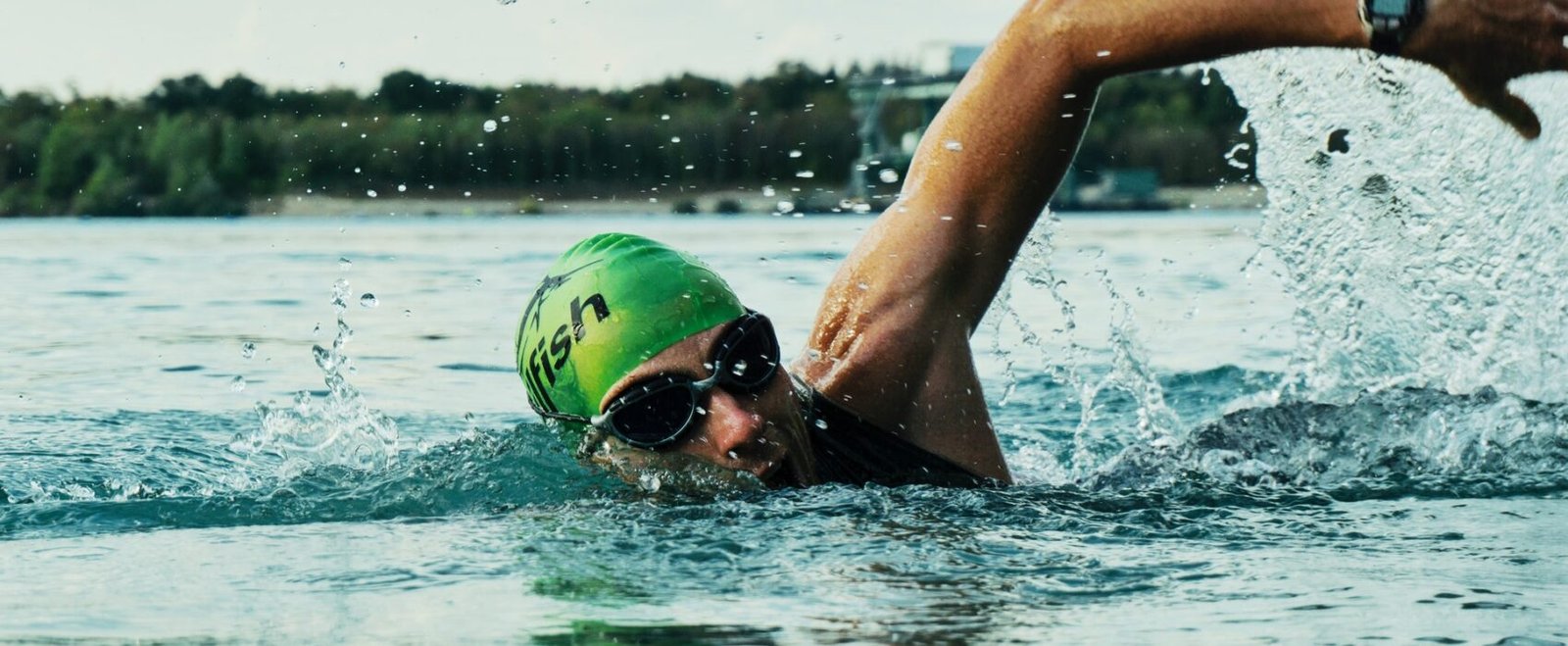
Swimming is one of the most rewarding endurance sports, combining full-body fitness with mental strength. But when it comes to long distance swimming—whether in a pool, open water, or triathlon—it requires more than just stamina. Technique, pacing, breathing, and mindset all play critical roles in going the distance efficiently and safely.
In this blog, we’ll explore the best long distance swimming techniques, tips, and strategies to help you swim stronger, longer, and smarter.
1. Perfecting Your Stroke Efficiency
The key to endurance swimming isn’t about swimming faster—it’s about swimming smarter.
- Streamline Position: Keep your body as flat as possible in the water, reducing drag. Imagine being a “human torpedo.”
- Longer Strokes, Not Faster Strokes: Focus on covering more distance per stroke rather than rushing. Fewer, stronger strokes conserve energy.
- High Elbow Catch: In freestyle, initiate your pull with a high elbow to maximize propulsion.
- Rotation: Rotate your body slightly with each stroke to engage core muscles and reduce shoulder fatigue.
💡 Pro Tip: Count your strokes per lap in training. Try to reduce this number gradually—it’s a sign of efficiency.
2. Breathing Techniques for Endurance
Breathing can make or break your long distance swim. Poor breathing leads to fatigue and even panic in open water.
- Bilateral Breathing: Alternate breathing sides (every 3 strokes) to balance your body and avoid neck strain.
- Rhythmic Breathing: Find a breathing rhythm that feels natural and sustainable.
- Exhale Underwater: Don’t hold your breath—exhale fully underwater so you’re ready for a quick inhale above.
3. Pacing Yourself Smartly
Many swimmers burn out too quickly because they start too fast.
- Negative Splits: Aim to swim the second half slightly faster than the first.
- Steady Rhythm: Find a stroke rate that feels comfortable and maintain it.
- Heart Rate Awareness: In training, monitor your heart rate to ensure you’re working at an endurance pace, not sprinting.
4. Open Water Swimming Skills
If you’re training for triathlons or open water swims, additional techniques are essential:
- Sighting: Lift your head slightly every 6–8 strokes to check your direction without breaking rhythm.
- Drafting: Swim just behind or beside another swimmer to conserve energy (like cycling in a slipstream).
- Adapting to Conditions: Waves, currents, and temperature require flexibility—practice in varied environments.
5. Building Endurance with Training
Technique matters, but so does conditioning.
- Interval Training: Mix long steady swims with short bursts of speed to build stamina.
- Distance Sets: Gradually increase your swim distance each week.
- Strength Training: Core, shoulders, and legs are crucial for maintaining strong strokes.
- Recovery: Stretch, hydrate, and refuel properly to prevent injuries.
6. Mental Strategies for Long Distance Swimming
Endurance is as much mental as physical.
- Chunking the Distance: Break a 5K swim into smaller “laps” in your mind.
- Focus Points: Concentrate on form—like “relaxed hands” or “smooth kick”—to stay engaged.
- Positive Self-Talk: Replace fatigue thoughts with mantras like “strong and steady.”
7. Nutrition & Hydration
Long swims can deplete energy stores.
- Before Swimming: Eat a light meal rich in carbs and protein 2–3 hours before.
- During Swim: For swims over 90 minutes, consider electrolyte drinks or energy gels (common in marathon swims).
- After Swimming: Replenish with protein and carbs to aid muscle recovery.
✅ Key Takeaways
- Focus on efficiency over speed—long, powerful strokes save energy.
- Practice bilateral breathing and maintain a steady rhythm.
- Learn open water skills like sighting and drafting if swimming outside.
- Train progressively with endurance sets, intervals, and strength work.
- Build mental resilience and fuel your body with the right nutrition.
🌊 Final Thoughts
Long distance swimming is a test of patience, technique, and mental grit. With the right approach, you can not only finish your swim but actually enjoy the journey through the water. Whether you’re preparing for a triathlon, an open-water challenge, or just pushing your personal limits, these techniques will help you glide farther, smoother, and stronger.aid.